Bisphenol A (BPA) is a chemical used in the manufacture of certain plastics and resins, such as polycarbonate plastics and epoxy resins (including protective linings inside some metal food and beverage cans, jar lids, and bottle caps). BPA has also been used as a color developer in thermal receipt paper.
In textile supply chains, trace amounts of BPA can be associated with recycled polymer streams. When brands adopt textiles made with recycled polyester (rPET) fibers, trace BPA can be carried over from the recycling process (for example, through cross-contamination during collection and processing), so brands often actively verify BPA compliance through credible third-party testing and documentation.
Here are the most useful points for sustainability, compliance, merchandising teams, and product developers:
Why BPA is important to apparel
For apparel brands, BPA matters because garments are worn against the body, and performance often involves heat, friction, and perspiration, which can increase the relevance of dermal exposure pathways. In response, industry expectations are tightening: OEKO-TEX® STANDARD 100 reduced the BPA limit value from 100 mg/kg to 10 mg/kg (10 parts per million, ppm) in its 2025 updates.
To go beyond the OEKO-TEX® STANDARD 100 limit value, comfortemp® uses an internal benchmark for “low-level BPA” separate from OEKO-TEX® compliance. Within comfortemp®’s framework, “low-level BPA” refers to BPA content within 1 ppm, providing additional margin compared to the OEKO-TEX® STANDARD 100 limit value and giving brands a ready-to-use option for babywear, childrenswear, and sensitive skin outerwear.
For sustainability, compliance, merchandising teams, and product developers, the implication is direct: BPA testing applies across textile components made with rPET fibers, including fabric, interlining, and thermal insulation products. In the context of this article, insulation is a key component that brands may specify especially in sensitive-wear constructions.
comfortemp®’s low-BPA breakthrough in rPET thermal insulation
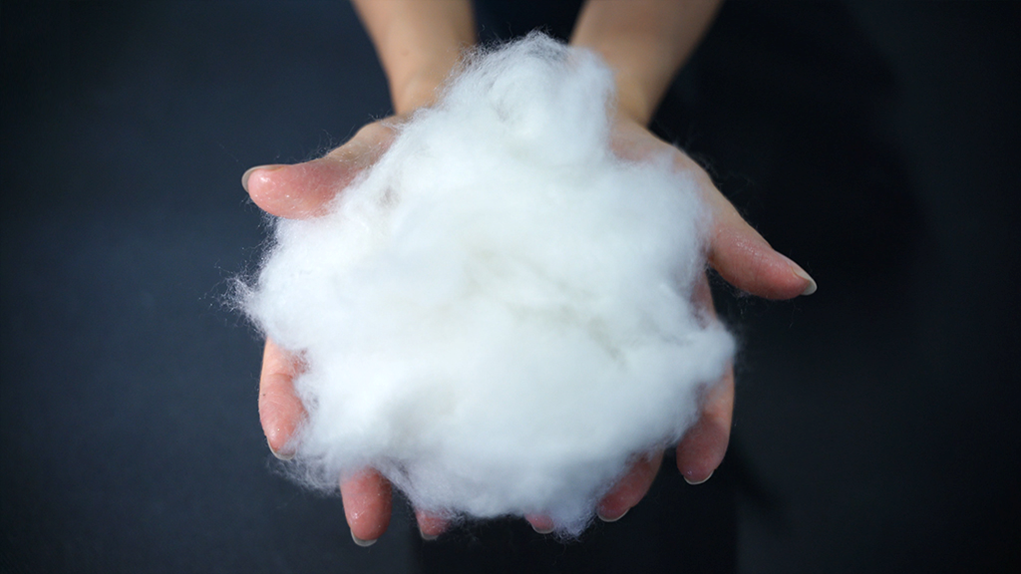
comfortemp® has introduced two synthetic thermal insulation products with BPA lower than 1 ppm into its global product portfolio: Down Feel WA 150LB, a loose fiber fill insulation with super-light loft and a soft hand feel, and Fiberball WB 400LB, a fiber ball insulation constructed with clusters of extra-fine fibers to deliver warmth with breathable comfort, designed for sensitive-wear applications.
Both solutions are manufactured from Global Recycled Standard-certified rPET fibers, supporting traceable recycled content within broader sustainability initiatives. In addition to these two products, comfortemp®’s portfolio includes other regional solutions with BPA level within 1 ppm.
As regulatory expectations continue to tighten and brands place greater emphasis on both skin safety and recycled materials, insulation choices play an increasingly important role in overall product compliance. comfortemp® will continue to develop and document low-BPA insulation solutions that premium fashion and sports brands can specify with confidence.